Barossa Valley 2016 Vintage Report
Defining the 2016 vintage in Barossa Valley requires looking beyond the averages, as it was a year of contrasting fortunes and precise timing.
The cycle began with a harmonious flowering period. Warm days (avg 19°C) allowed for an even fruit set, establishing the potential for a generous crop.
Summer turned up the intensity. With 19 days soaring above 35°C, the vines faced a stress test. Combined with a lack of rainfall (only 151mm total), this led to hydric stress that halted ripening in younger vines, though old vines with deep roots persevered. A key factor was the dramatic diurnal shift (12.7°C), ensuring that despite the daytime warmth, acidities remained razor-sharp.
Harvest proceeded under mixed skies, requiring agility to dodge the 46mm of rain that fell sporadically during the picking weeks.
**Style:** Classically proportioned wines with good balance and terroir expression.
About Barossa Valley
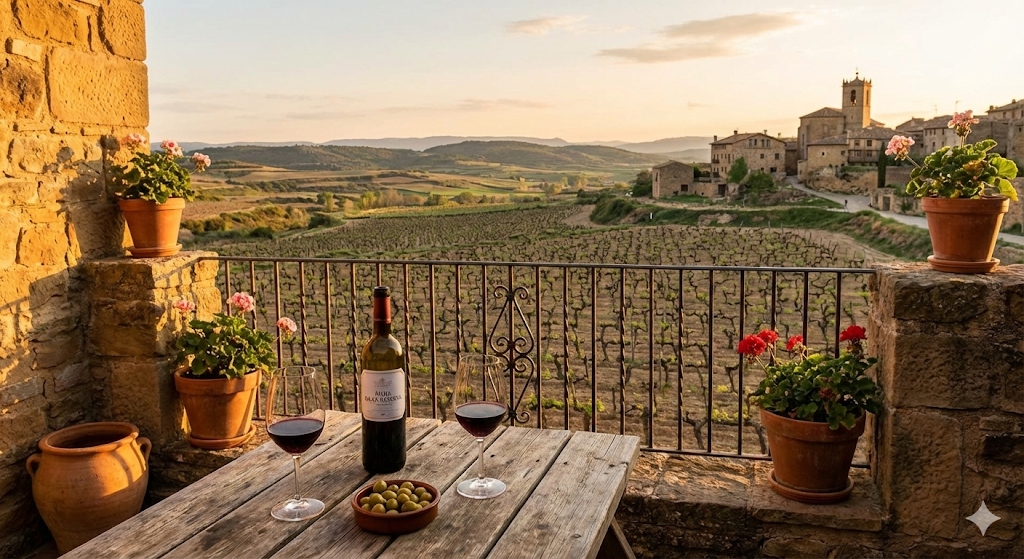
Home to some of the world's oldest vines, Barossa is synonymous with big, bold Shiraz. These wines are known for their rich blackberry fruit, chocolate notes, and velvety texture.
Climatic Blueprint
Growing Degree Days (GDD)
Total Rainfall
Sunshine Hours
Diurnal Shift
Frost Days
Average Temperature
Historical Context (10 Years)
Comparison of growing season heat accumulation vs regional average.
Want to explore vineyards in Barossa Valley?
Discover the estates shaping the legacy of this region.